Springer Nature

The Chilean Body Politic
Miglior prezzo disponibile
129,99$
Springer Nature · Spedizione gratuita
VISAPayPal
Prezzi aggiornati
Specifiche
MarcaSpringer Nature
CondizioneNuovo
Descrizione
This monograph explores how Chilean urban workers translated nineteenth-century European political philosophy according to their conditions, locality, and colonial history. The research is grounded on a systematic analysis of local archival materialâprimarily, newspapers aimed at the working class from 1870 to the 1920sâfrom a theoretical perspective informed by contemporary feminist critiques and inspired by Jacques Derridaâs deconstruction. This provides a new understanding of late-nineteenth-century Chilean popular culture which shows that the origin of capitalism was commonly interpreted as a loss of virility on the part of Chilean men, who emerged into a modern European like city as degenerative people dispossessed of their traditional âdominionâ over Chilean women, land, and culture. The book proposes that the experience of early industrial modernity was posited by Chilean men as equivalent to the loss of an essential masculinity rooted in an economy of patriarchal sexual difference. Consequently, it also reveals that the notion of ârevolutionâ was translated in Chilean culture as the return of an ideal male subject who would re-establish the ânaturalâ distribution of the sexes displaced by a foreign form of capitalist modernity. This research shows the centrality of questions of gender to working-class political thought and criticizes the points of complicity between politics, philosophy, and patriarchy in the Chilean political tradition. It will appeal to students and researchers in political theory, gender studies, feminism, and Latin American studies.
Storico prezzi
Ricevi una notifica se il prezzo scende
Ti invieremo un'email quando il prezzo di questo prodotto diminuirà.
- Aggiornamenti dei prezzi in tempo reale
- Oltre 50 negozi monitorati
- Avvisi gratuiti di calo prezzo
- Solo negozi verificati
Avvisami quando il prezzo scende sotto: 129,99$
Prodotti simili
Una selezione di prodotti che potrebbero interessarti. Guarda tutti
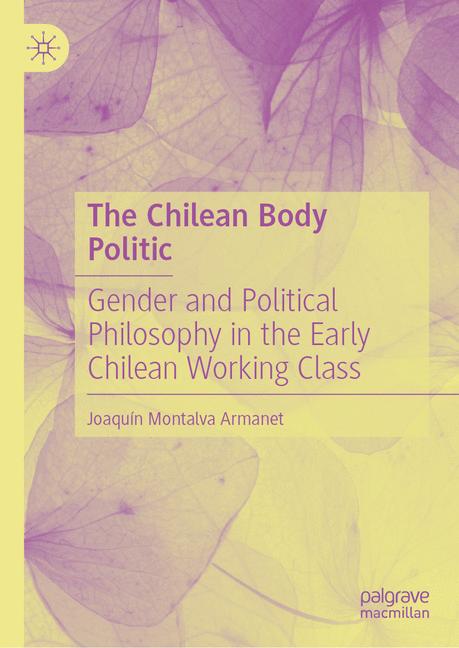 The Chilean Body Politic
99,00$
The Chilean Body Politic
99,00$
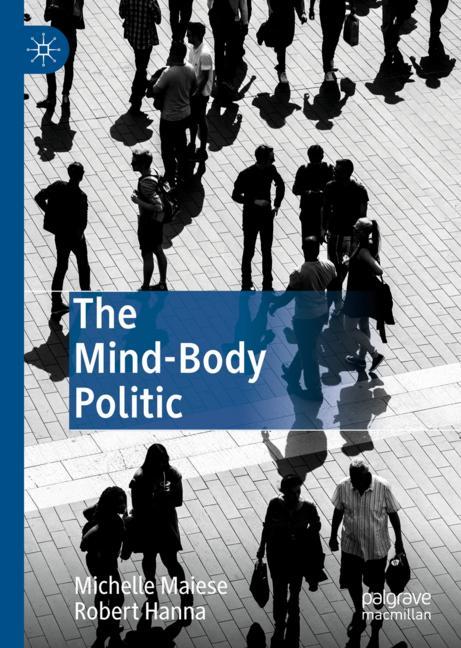 The Mind-Body Politic
99,99$
The Mind-Body Politic
99,99$
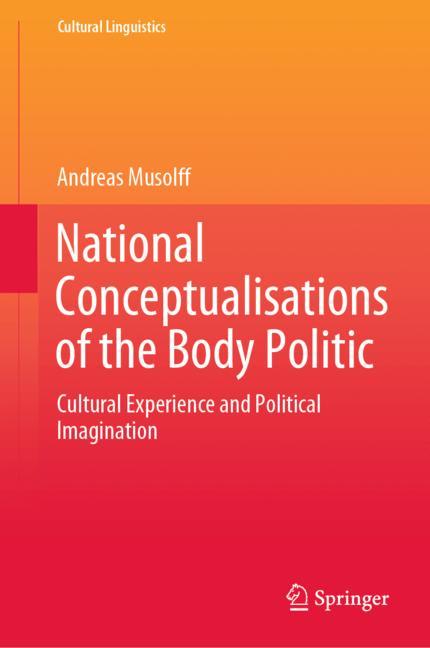 National Conceptualisations Of The Body Politic
54,99$
National Conceptualisations Of The Body Politic
54,99$
 Queer Democracy Desire Dysphoria And The Body Politic | Politics
47,19$
Queer Democracy Desire Dysphoria And The Body Politic | Politics
47,19$
 If The Body Politic Could Breathe In The Age Of The Refugee
44,99$
If The Body Politic Could Breathe In The Age Of The Refugee
44,99$
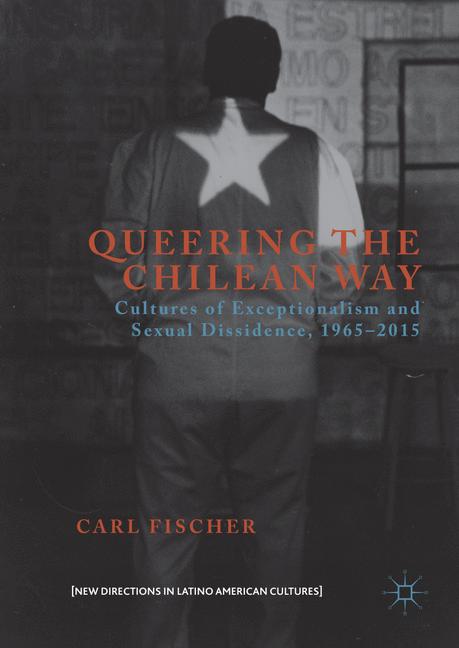 Queering The Chilean Way
99,99$
Queering The Chilean Way
99,99$
 The Chilean Labor Market
54,99$
The Chilean Labor Market
54,99$
 Change In The Chilean Countryside
39,99$
Change In The Chilean Countryside
39,99$