Springer Nature
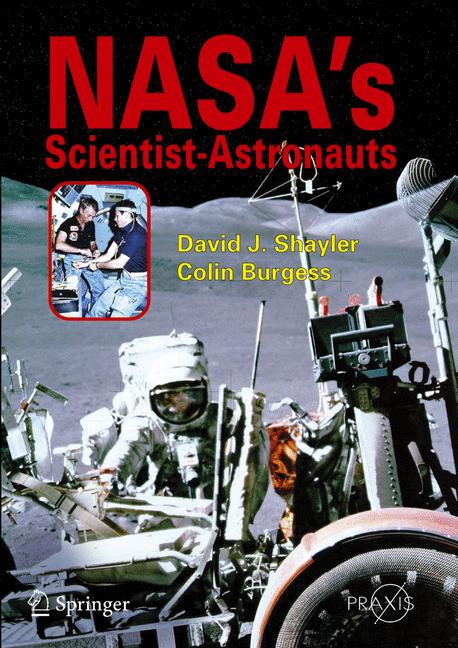
Nasa's Scientist-Astronauts
Miglior prezzo disponibile
49,99$
Springer Nature · Spedizione gratuita
VISAPayPal
Prezzi aggiornati
Specifiche
MarcaSpringer Nature
CondizioneNuovo
Descrizione
Mounting pressure in the early 1960s from the National Academy of Sciences (NAS) to study ways of expanding the role of astronauts to conduct science on future space missions led to NASAâs conclusion that flying scientifically trained crewmembers would generate greater returns from each mission. NASA and industry studies continued investigating possibilities that could lead to the eventual creation of the first space stations using surplus Apollo hardware, through the Apollo Applications Programme (AAP). There was also a growing interest within the military to create their own manned space station programme, conducting on-orbit experiments and research with strategic advantages for national security. In October 1964 the Soviets launched Voskhod 1 whose 3-man crew were identified as the first âscientific passengersâ in space. A few days later NASA and the NAS had completed joint studies into the possibility of using scientists in the manned space programme, and invited scientists to apply for astronaut training. In selecting the first group of scientist-astronauts, NASA had one firm requirement; any person accepted into the programme would have to qualify as a military jet pilot. While the second group of scientists were completing their academic, survival and flight training programme, the remaining members of the first scientist-astronaut group were involved in supporting the developing Apollo Applications programme and the Apollo lunar programme.
Storico prezzi
Ricevi una notifica se il prezzo scende
Ti invieremo un'email quando il prezzo di questo prodotto diminuirà.
- Aggiornamenti dei prezzi in tempo reale
- Oltre 50 negozi monitorati
- Avvisi gratuiti di calo prezzo
- Solo negozi verificati
Avvisami quando il prezzo scende sotto: 49,99$
Prodotti simili
Una selezione di prodotti che potrebbero interessarti. Guarda tutti
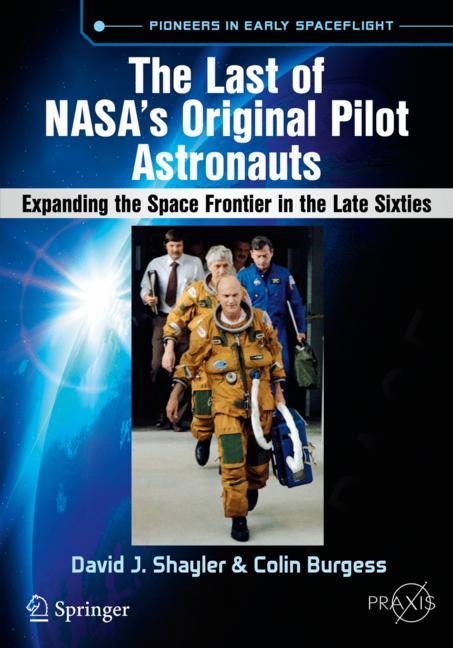 The Last Of Nasa's Original Pilot Astronauts
54,99$
The Last Of Nasa's Original Pilot Astronauts
54,99$
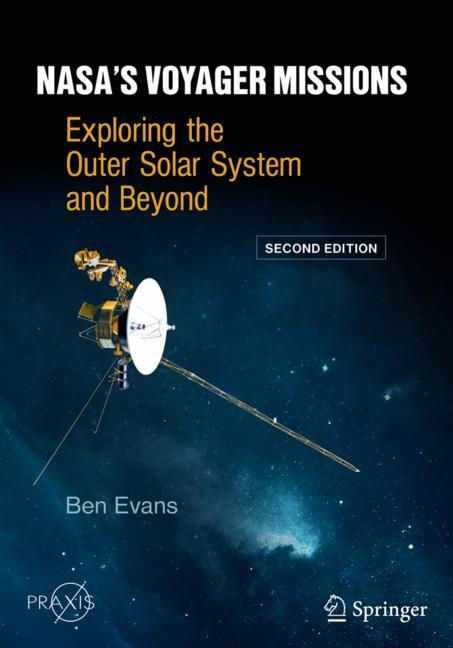 Nasa's Voyager Missions
24,49$
Nasa's Voyager Missions
24,49$
 Astronauts Library [Astronauts] Space
2850,00$
Astronauts Library [Astronauts] Space
2850,00$
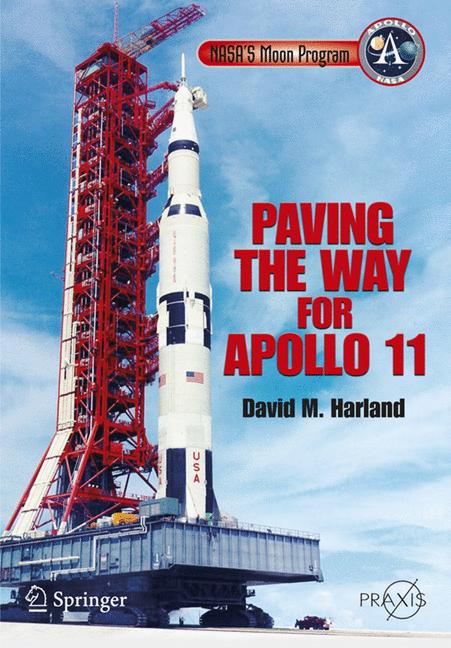 Nasa's Moon Program
49,99$
Nasa's Moon Program
49,99$
 Nasa's First Space Shuttle Astronaut Selection
31,49$
Nasa's First Space Shuttle Astronaut Selection
31,49$
 Commercial Astronauts
37,99$
Commercial Astronauts
37,99$
 Architecture For Astronauts
329,00$
Architecture For Astronauts
329,00$
 Astronauts For Hire
29,99$
Astronauts For Hire
29,99$