Springer Nature

Physics, Fabrication, And Applications Of Multilayered Structures
Miglior prezzo disponibile
54,99$
Springer Nature · Spedizione gratuita
VISAPayPal
Prezzi aggiornati
Specifiche
MarcaSpringer Nature
CondizioneNuovo
Descrizione
Low-dimensional materials are of fundamental interest in physics and chemistry and have also found a wide variety of technological applica tions in fields ranging from microelectronics to optics. Since 1986, several seminars and summer schools devoted to low-dimensional systems have been supported by NATO. The present one, Physics, Fabrication and Applications of Multilayered structures, brought together specialists from different fields in order to review fabrication techniques, charac terization methods, physics and applications. Artificially layered materials are attractive because alternately layering two (or more) elements, by evaporation or sputtering, is a way to obtain new materials with (hopefully) new physical properties that pure materials or alloys do not allow. These new possibilities can be ob tained in electronic transport, optics, magnetism or the reflectivity of x-rays and slow neutrons. By changing the components and the thickness of the layers one can track continuously how the new properties appear and follow the importance of the multilayer structure of the materials. In addition, with their large number of interfaces the study of inter face properties becomes easier in multilayered structures than in mono layers or bilayers. As a rule, the role of the interface quality, and also the coupling between layers, increases as the thickness of the layer decreases. Several applications at the development stage require layer thicknesses of just a few atomic layers.
Storico prezzi
Ricevi una notifica se il prezzo scende
Ti invieremo un'email quando il prezzo di questo prodotto diminuirà.
- Aggiornamenti dei prezzi in tempo reale
- Oltre 50 negozi monitorati
- Avvisi gratuiti di calo prezzo
- Solo negozi verificati
Avvisami quando il prezzo scende sotto: 54,99$
Prodotti simili
Una selezione di prodotti che potrebbero interessarti. Guarda tutti
 Oxide-Based Materials And Structures Fundamentals And Applications | Physics
59,19$
Oxide-Based Materials And Structures Fundamentals And Applications | Physics
59,19$
 Skyrmions Topological Structures Properties And Applications | Physics
56,79$
Skyrmions Topological Structures Properties And Applications | Physics
56,79$
 Multilayered Structures Of International Criminal Law
84,99$
Multilayered Structures Of International Criminal Law
84,99$
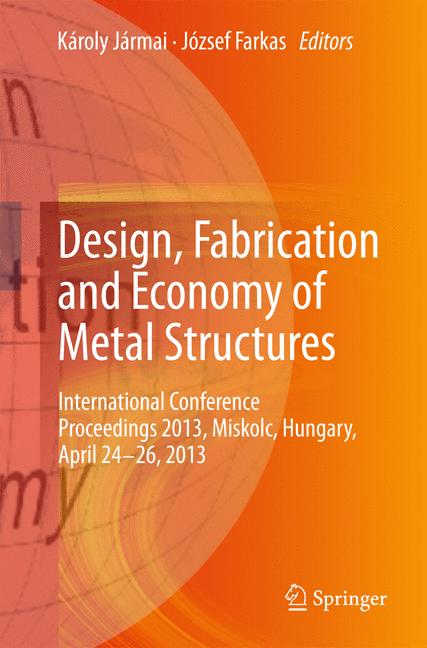 Design, Fabrication And Economy Of Metal Structures
219,99$
Design, Fabrication And Economy Of Metal Structures
219,99$
 Aperiodic Structures In Condensed Matter Fundamentals And Applications | Physics
75,99$
Aperiodic Structures In Condensed Matter Fundamentals And Applications | Physics
75,99$
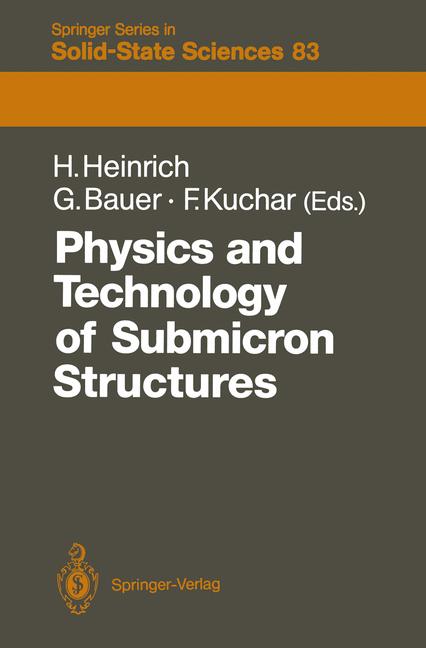 Physics And Technology Of Submicron Structures
109,99$
Physics And Technology Of Submicron Structures
109,99$
 The Physics And Fabrication Of Microstructures And Microdevices
169,99$
The Physics And Fabrication Of Microstructures And Microdevices
169,99$
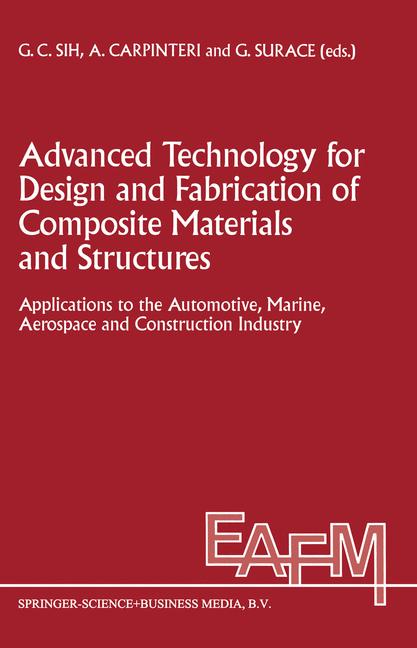 Advanced Technology For Design And Fabrication Of Composite Materials And Structures
169,99$
Advanced Technology For Design And Fabrication Of Composite Materials And Structures
169,99$