Springer Nature
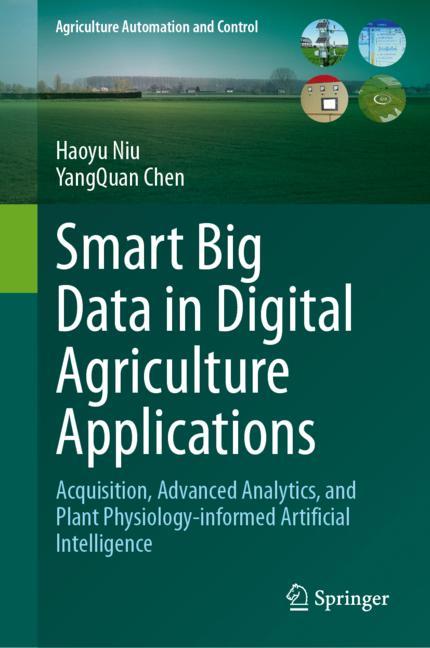
Smart Big Data In Digital Agriculture Applications
Miglior prezzo disponibile
160,49€
Springer Nature · Spedizione gratuita
VISAPayPal
Prezzi aggiornati
Specifiche
MarcaSpringer Nature
CondizioneNuovo
Descrizione
In the dynamic realm of digital agriculture, the integration of big data acquisition platforms has sparked both curiosity and enthusiasm among researchers and agricultural practitioners. This book embarks on a journey to explore the intersection of artificial intelligence and agriculture, focusing on small-unmanned aerial vehicles (UAVs), unmanned ground vehicles (UGVs), edge-AI sensors and the profound impact they have on digital agriculture, particularly in the context of heterogeneous crops, such as walnuts, pomegranates, cotton, etc. For example, lightweight sensors mounted on UAVs, including multispectral and thermal infrared cameras, serve as invaluable tools for capturing high-resolution images. Their enhanced temporal and spatial resolutions, coupled with cost effectiveness and near-real-time data acquisition, position UAVs as an optimal platform for mapping and monitoring crop variability in vast expanses. This combination of data acquisition platforms and advanced analytics generates substantial datasets, necessitating a deep understanding of fractional-order thinking, which is imperative due to the inherent âcomplexityâ and consequent variability within the agricultural process. Much optimism is vested in the field of artificial intelligence, such as machine learning (ML) and computer vision (CV), where the efficient utilization of big data to make it âsmartâ is of paramount importance in agricultural research. Central to this learning process lies the intricate relationship between plant physiology and optimization methods. The key to the learning process is the plant physiology and optimization method. Crafting an efficient optimization method raises three pivotal questions: 1.) What represents the best approach to optimization? 2.) How can we achieve a more optimal optimization? 3.) Is it possible to demand âmore optimal machine learning,â exemplified by deep learning, while minimizing the need for extensive labeled data for digital agriculture? This book details the foundations of the plant physiology-informed machine learning (PPIML) and the principle of tail matching (POTM) framework. It is the 9th title of the "Agriculture Automation and Control" book series published by Springer.
Storico prezzi
Ricevi una notifica se il prezzo scende
Ti invieremo un'email quando il prezzo di questo prodotto diminuirà.
- Aggiornamenti dei prezzi in tempo reale
- Oltre 50 negozi monitorati
- Avvisi gratuiti di calo prezzo
- Solo negozi verificati
Avvisami quando il prezzo scende sotto: 160,49€
Prodotti simili
Una selezione di prodotti che potrebbero interessarti. Guarda tutti
 Smart Big Data In Digital Agriculture Applications
82,38€
Smart Big Data In Digital Agriculture Applications
82,38€
 Big Data In Engineering Applications
213,99€
Big Data In Engineering Applications
213,99€
 Big Data Intelligence For Smart Applications
192,59€
Big Data Intelligence For Smart Applications
192,59€
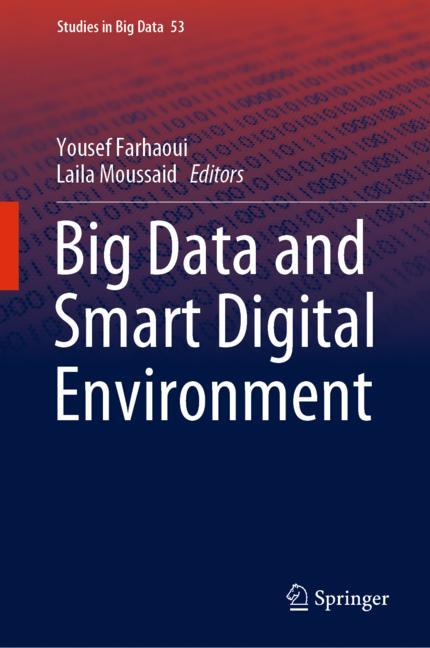 Big Data And Smart Digital Environment
160,49€
Big Data And Smart Digital Environment
160,49€
 Digital Economy, Business Analytics, And Big Data Analytics Applications
181,89€
Digital Economy, Business Analytics, And Big Data Analytics Applications
181,89€
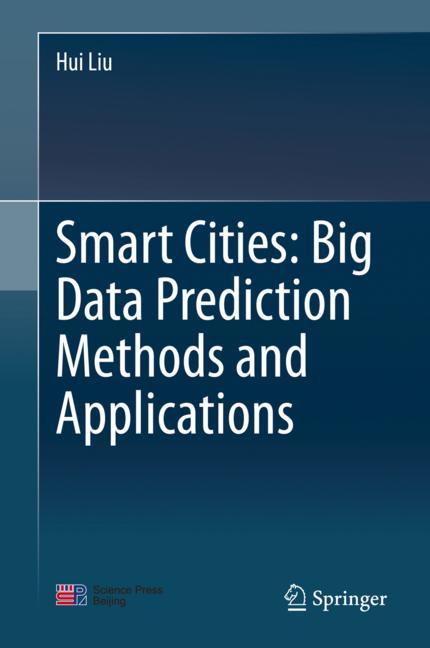 Smart Cities: Big Data Prediction Methods And Applications
139,09€
Smart Cities: Big Data Prediction Methods And Applications
139,09€
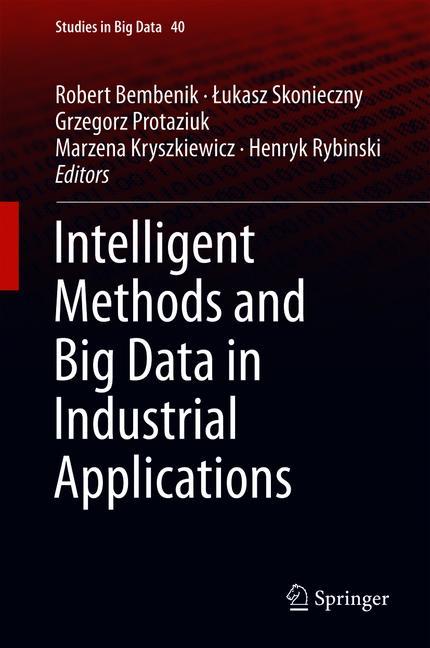 Intelligent Methods And Big Data In Industrial Applications
117,69€
Intelligent Methods And Big Data In Industrial Applications
117,69€
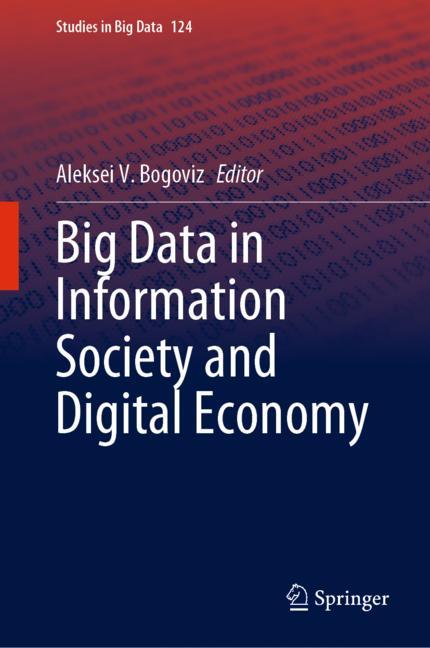 Big Data In Information Society And Digital Economy
171,19€
Big Data In Information Society And Digital Economy
171,19€