Springer Nature
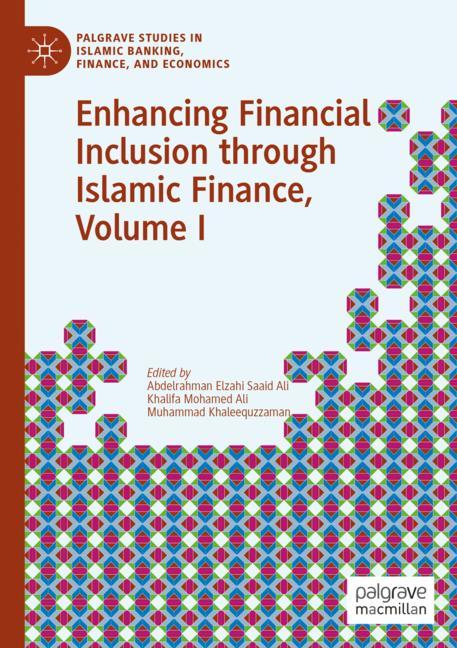
Enhancing Financial Inclusion Through Islamic Finance, Volume I
Miglior prezzo disponibile
109,99$
Springer Nature · Spedizione gratuita
VISAPayPal
Prezzi aggiornati
Specifiche
MarcaSpringer Nature
CondizioneNuovo
Descrizione
This book, the first of two volumes, highlights the concept of financial inclusion from the Islamic perspective. An important element of the Sustainable Development Goals (SDGs), financial inclusion has been given significant prominence in reform and development agendas proposed by the United Nations and G-20. The significance of Islamic financial inclusion goes beyond improved access to finance to encompass enhanced access to savings and risk mitigation products, as well as social inclusion that allows individuals and companies to engage more actively in the real economy. It represents one of the important drivers of economic growth. Gender disparity exists within financial access and its extent varies widely across world economies. South Asia, the Middle East and North Africa have the largest gender gaps, with women in these regions being forty per cent less likely than men to have a formal account at a financial institution. Analysing how Islamic financial inclusion can empower individuals, this volume explores the contribution of Islamic microfinance in achieving SDGs and solving income and wealth inequality. Comprising a combination of empirical evidence, theory and modelling, this edited collection illustrates how to improve access to finance, making it essential reading for those researching both Islamic finance and development finance.
Storico prezzi
Ricevi una notifica se il prezzo scende
Ti invieremo un'email quando il prezzo di questo prodotto diminuirà.
- Aggiornamenti dei prezzi in tempo reale
- Oltre 50 negozi monitorati
- Avvisi gratuiti di calo prezzo
- Solo negozi verificati
Avvisami quando il prezzo scende sotto: 109,99$
Prodotti simili
Una selezione di prodotti che potrebbero interessarti. Guarda tutti
 Enhancing Financial Inclusion Through Islamic Finance, Volume I
84,99$
Enhancing Financial Inclusion Through Islamic Finance, Volume I
84,99$
 Enhancing Financial Inclusion Through Islamic Finance, Volume Ii
109,00$
Enhancing Financial Inclusion Through Islamic Finance, Volume Ii
109,00$
 Financial And Accounting Principles In Islamic Finance
119,00$
Financial And Accounting Principles In Islamic Finance
119,00$
 Financial Innovation And Engineering In Islamic Finance
139,99$
Financial Innovation And Engineering In Islamic Finance
139,99$
 Financial Risk Management For Islamic Banking And Finance
219,99$
Financial Risk Management For Islamic Banking And Finance
219,99$
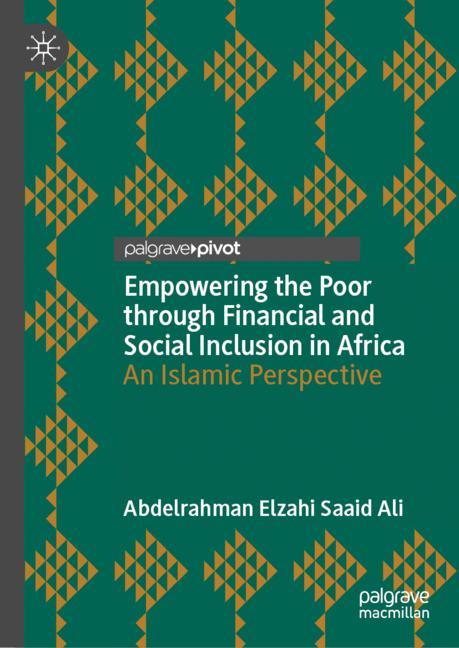 Empowering The Poor Through Financial And Social Inclusion In Africa
54,99$
Empowering The Poor Through Financial And Social Inclusion In Africa
54,99$
 Analytical Finance: Volume I
45,49$
Analytical Finance: Volume I
45,49$
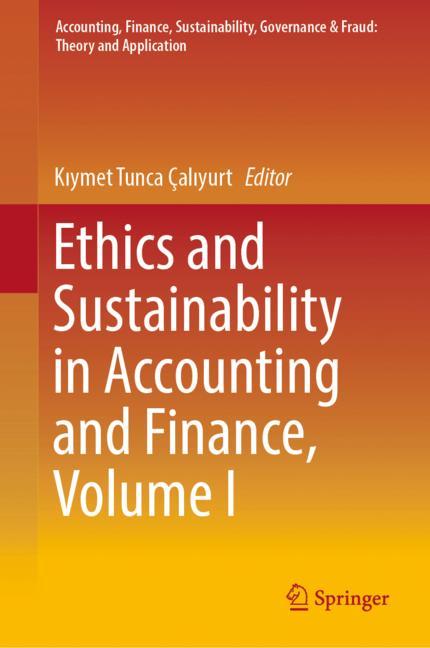 Ethics And Sustainability In Accounting And Finance, Volume I
169,99$
Ethics And Sustainability In Accounting And Finance, Volume I
169,99$