Springer Nature
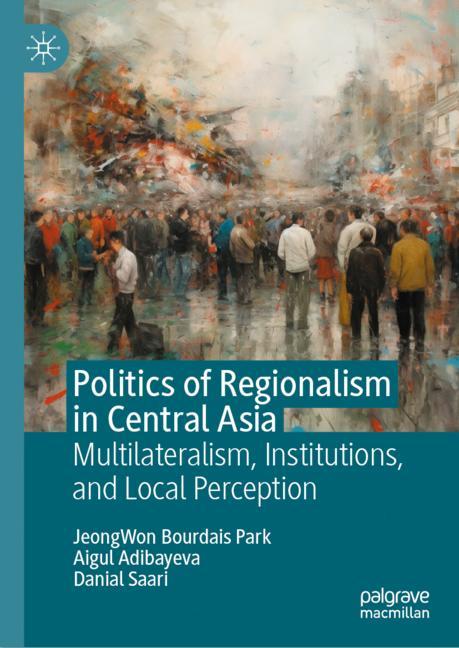
Politics Of Regionalism In Central Asia
Miglior prezzo disponibile
109,00$
Springer Nature · Spedizione gratuita
VISAPayPal
Prezzi aggiornati
Specifiche
MarcaSpringer Nature
CondizioneNuovo
Descrizione
This book addresses how to mitigate regional tensions and enhance cooperative opportunities through well-designed regional institutions and organizations among countries in geographical proximity. We use the case of Central Asia (i.e., Kazakhstan, Kyrgyzstan, Tajikistan, Turkmenistan, and Uzbekistan) to employ our conceptual framework of âexternally guided regionalism.â The following questions guide the study: How and by what forces has Central Asian regionalism evolved, and what are the main characteristics and political implications of the continuously evolving regional institutions? We discuss not only the extra-regional influential actors (i.e., Russia, the United States, the European Union, and China), but also intra-regional initiatives, strategies, and struggles in securing stability and sovereignty. Extra-regional actorsâ growing competition over molding their own kind of multilateralism involving this region has contributed to the current direction of Central Asiaâs regionalization. Concurrently, Central Asiaâs political conditions and constraints interactively contribute to ever-increasing institutional sprawl.
Storico prezzi
Ricevi una notifica se il prezzo scende
Ti invieremo un'email quando il prezzo di questo prodotto diminuirà.
- Aggiornamenti dei prezzi in tempo reale
- Oltre 50 negozi monitorati
- Avvisi gratuiti di calo prezzo
- Solo negozi verificati
Avvisami quando il prezzo scende sotto: 109,00$
Prodotti simili
Una selezione di prodotti che potrebbero interessarti. Guarda tutti
 Politics Of Regionalism In Central Asia
139,99$
Politics Of Regionalism In Central Asia
139,99$
 Pandemic Politics In Central Asia Authoritarian Contagion
187,19$
Pandemic Politics In Central Asia Authoritarian Contagion
187,19$
 The Political Economy Of Regionalism In East Asia
54,99$
The Political Economy Of Regionalism In East Asia
54,99$
 The Politics Of Economic Regionalism
54,99$
The Politics Of Economic Regionalism
54,99$
 International Law, Politics And Security In Central Asia
59,99$
International Law, Politics And Security In Central Asia
59,99$
 The Theoretical And Practical Dimensions Of Regionalism In East Asia
139,99$
The Theoretical And Practical Dimensions Of Regionalism In East Asia
139,99$
 Responses To Regionalism In East Asia
54,99$
Responses To Regionalism In East Asia
54,99$
 Regionalism And Globalism In Southeast Asia
54,99$
Regionalism And Globalism In Southeast Asia
54,99$