
Renaissance Music And Culture In Croatia Ennio Stipcevic
Miglior prezzo disponibile
91,73$
AbeBooks · Spedizione gratuita
VISAPayPal
Prezzi aggiornati
Specifiche
CondizioneNuovo
Descrizione
Pages: 356 p. Illustrations:37 b/w Language(s):English, Italian, Latin. Publication Year:2016. Brepols. ISBN: 978-2-503-56641-2. Paperback --- SUMMARY This book is the first more comprehensive effort dedicated to the interdisciplinary study of Renaissance music in Croatia. On the pages of this book the dramatis personae comprise priests and heretics, noblemen and tradesmen, men of learning and illiterate fishermen, ladies from high society and courtesans, printers and scribes, patrons of the arts and their protégés in other words, people participating in one way or another in cultural and artistic events. In spite of grave political problems during the 15th and 16th centuries (the Turks established their power in the north and eastern regions), the Croatian soil was a theatre of vivid musical life. The variety of cultural influences (most important coming from Italy) has been reflected in some specific phenomena in the Croatian cultural and musical life. Among them are the Catholic liturgy in the native language, the Petrarchan poetry in the Italian language, with which some Dalmatian poets managed to attract the attention of contemporary Italian composers, and finally, the fact that the Croatian coastland was the extreme south-eastern point reached by the widely spreading Netherlandish Renaissance polyphony. This book focuses on identifying, contextualising and presenting this less known European musical heritage to the wider international public. TABLE OF CONTENTS The book consists of eleven chapters, followed by the rather exhaustive bibliography. First chapter Ante murale christianitatis offers some basic information on political and cultural context. During the 15th and 16th centuries the Croatian lands, spreading from the Pannonian Plain to the eastern coast of the Adriatic Sea, were shaken by grave political problems. Cornered by the interes of Venice, Hungary and the Ottomans, the Croats found themselves on the borders of confliting worlds. Second chapter Sources: from manuscript to print gives an overview of music sources mentioned in this book. In third chapter Education and music reader can learn how was both public and church education organised in some Croatian cities and what was the importance of music in education. In fourth chapter The church: catholics, reformists, catholic reformation one could find a more important data on a very specific liturgy practise, i.e. the church singing in native language, the so-called Glagolitic chant. Fifth chapter Folk culture and popular culture offfers a close reading of mostly literary sources. Sixth chapter Ceremonies and devotions gives an anthripological approach to the finds of music performances in the city streets, both caarnival and other secular and church celebrations. Seventh chapter Music and theatre gives a rich and very interesting documentation, which deserves full attention of international reader. In eight chapter Music and literature one could read about multilinguality in Croatian written culture. It is shown, for instance, how the Petrarchan poetry in Italian language and written by Dalmatian poets attracted the attention of some contemporary composers. Ninth chapter Celebri autori deals with the most important composers of the Renaissance music in Croatia, such as Andrea Patrizio da Cherso, Giulio Schiavetto from ibenik and Lambert Courtoys, a Frenchmen active in Dubrovnik. Chapter tenth, entitled The end of the Renaissance, is devoted entirely to the Istrian composer Francesco Sponga-Usper. The very last eleventh chapter is written in a literary form of dialogue, summaryzing what was previously said.
Storico prezzi
Ricevi una notifica se il prezzo scende
Ti invieremo un'email quando il prezzo di questo prodotto diminuirà.
- Aggiornamenti dei prezzi in tempo reale
- Oltre 50 negozi monitorati
- Avvisi gratuiti di calo prezzo
- Solo negozi verificati
Avvisami quando il prezzo scende sotto: 91,73$
Prodotti simili
Una selezione di prodotti che potrebbero interessarti.
 "Music And Visual Culture In Renaissance Italy | Music
48,79$
"Music And Visual Culture In Renaissance Italy | Music
48,79$
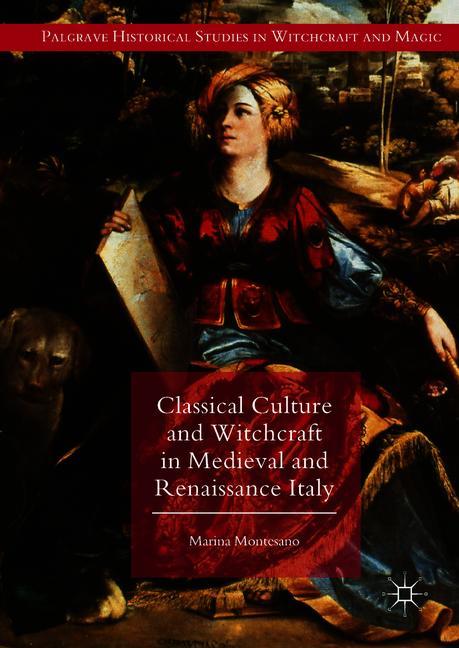 Classical Culture And Witchcraft In Medieval And Renaissance Italy
99,00$
Classical Culture And Witchcraft In Medieval And Renaissance Italy
99,00$
 Masters And Servants In English Renaissance Drama And Culture
84,99$
Masters And Servants In English Renaissance Drama And Culture
84,99$
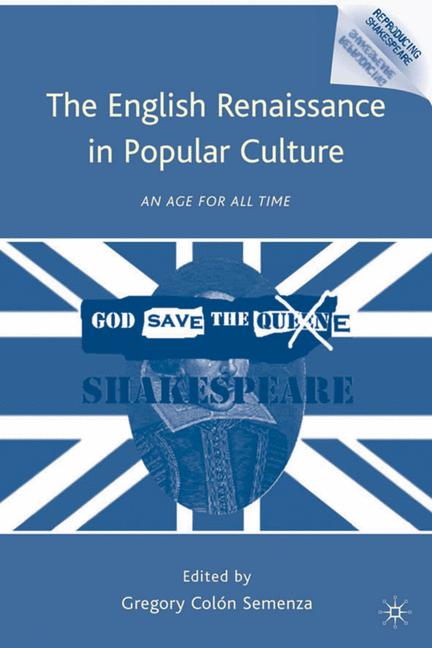 The English Renaissance In Popular Culture
39,99$
The English Renaissance In Popular Culture
39,99$
 The Zombie Renaissance In Popular Culture
38,49$
The Zombie Renaissance In Popular Culture
38,49$
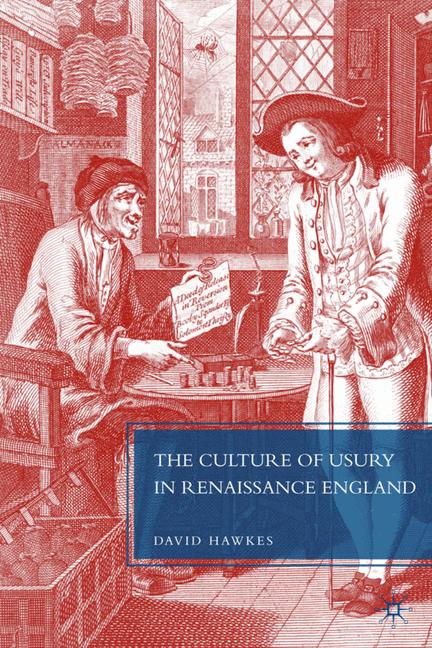 The Culture Of Usury In Renaissance England
54,99$
The Culture Of Usury In Renaissance England
54,99$
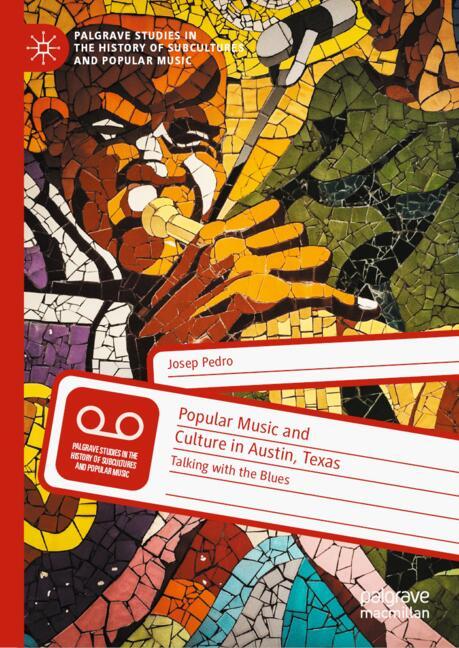 Popular Music And Culture In Austin, Texas
129,00$
Popular Music And Culture In Austin, Texas
129,00$
 "The Frescoed FaçAde In Renaissance Roman Visual Culture
51,99$
"The Frescoed FaçAde In Renaissance Roman Visual Culture
51,99$