Springer Nature
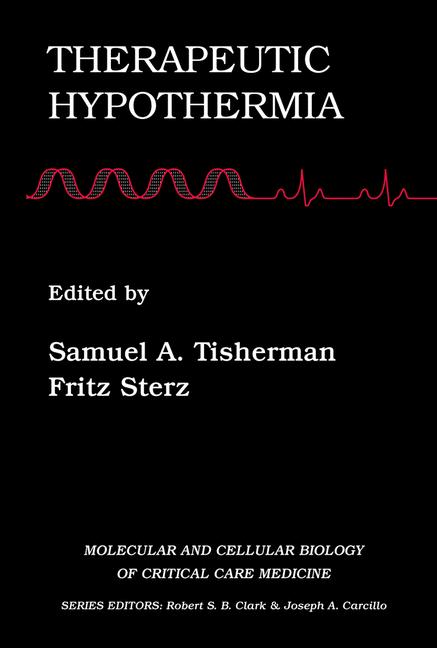
Therapeutic Hypothermia
Miglior prezzo disponibile
219,99$
Springer Nature · Spedizione gratuita
VISAPayPal
Prezzi aggiornati
Specifiche
MarcaSpringer Nature
CondizioneNuovo
Descrizione
Samuel A. Tisherman, MD', Fritz Sterz, MD~ '~niversit~ of Pittsburgh, Pittsburgh, PA, USA 2~edical University of Vienna, Vienna, Austria The use of hypothermia for a variety of therapeutic purposes has a long and erratic history. Hippocrates recommended the use of topical cooling to stop bleeding. Fay used cooling of the extremities for patients with tumors in the 1930s. It wasn't until the 1950s, when the effects of hypothermia on systemic oxygen metabolism became better defined, that systemic hypothermia became a commonly used modality, particularly for cardiac surgery. Hypothermia was used for protection (treatment before the insult) and preservation (treatment during the insult) of the heart and entire organism during planned operative ischemia. Shortly thereafter, attempts were made to use hypothermia for resuscitation (treatment after the insult) from cardiac arrest and for management of head trauma. At that time, it was felt that moderate hypothermia (28-32OC) was needed. This was difficult to achieve and manage. Multiple complications were noted. Consequently, therapeutic, resuscitative hypothermia lay dormant for many years while mild (32-35°C) to moderate hypothermia became common for many cardiothoracic and neurosurgical procedures. In the early 1990s, it was found that mild hypothermia, even after cardiac arrest, had benefit for the brain. Similar results were found with head trauma. This lead to a burst of enthusiasm for research into resuscitative hypothermia for a variety of insults, most of which have tissue ischemia as a major component.
Storico prezzi
Ricevi una notifica se il prezzo scende
Ti invieremo un'email quando il prezzo di questo prodotto diminuirà.
- Aggiornamenti dei prezzi in tempo reale
- Oltre 50 negozi monitorati
- Avvisi gratuiti di calo prezzo
- Solo negozi verificati
Avvisami quando il prezzo scende sotto: 219,99$
Prodotti simili
Una selezione di prodotti che potrebbero interessarti. Guarda tutti