Springer Nature

A Historical Archaeology Of The Modern World
Miglior prezzo disponibile
53,49€
Springer Nature · Spedizione gratuita
VISAPayPal
Prezzi aggiornati
Specifiche
MarcaSpringer Nature
CondizioneNuovo
Descrizione
This unique book offers a theoretical framework for historical archaeology that explicitly relies on network theory. Charles E. Orser, Jr., demonstrates the need to examine the impact of colonialism, Eurocentrism, capitalism, and modernity on all archaeological sites inhabited after 1492 and shows how these large-scale forces create a link among all the sites. Orser investigates the connections between a seventeenth-century runaway slave kingdom in Palmares, Brazil and an early nineteenth-century peasant village in central Ireland. Studying artifacts, landscapes, and social inequalities in these two vastly different cultures, the author explores how the archaeology of fugitive Brazilian slaves and poor Irish farmers illustrates his theoretical concepts. His research underscores how network theory is largely unknown in historical archaeology and how few historical archaeologists apply a global perspective in their studies. A Historical Archaeology of the Modern World features data and illustrations from two previously unknown sites and includes such intriguing findings as the provenance of ancient Brazilian smoking pipes that will be new to historical archaeologists.
Storico prezzi
Ricevi una notifica se il prezzo scende
Ti invieremo un'email quando il prezzo di questo prodotto diminuirà.
- Aggiornamenti dei prezzi in tempo reale
- Oltre 50 negozi monitorati
- Avvisi gratuiti di calo prezzo
- Solo negozi verificati
Avvisami quando il prezzo scende sotto: 53,49€
Prodotti simili
Una selezione di prodotti che potrebbero interessarti. Guarda tutti
 A Historical Archaeology Of The Modern World
53,49€
A Historical Archaeology Of The Modern World
53,49€
 A Historical Archaeology Of The Ottoman Empire
106,99€
A Historical Archaeology Of The Ottoman Empire
106,99€
 The Historical Archaeology Of Buenos Aires
106,99€
The Historical Archaeology Of Buenos Aires
106,99€
 Archaeology Of Iran In The Historical Period
96,29€
Archaeology Of Iran In The Historical Period
96,29€
 The Architecture And Archaeology Of Modern Logic
171,19€
The Architecture And Archaeology Of Modern Logic
171,19€
 A Concise History Of The Modern World
24,99€
A Concise History Of The Modern World
24,99€
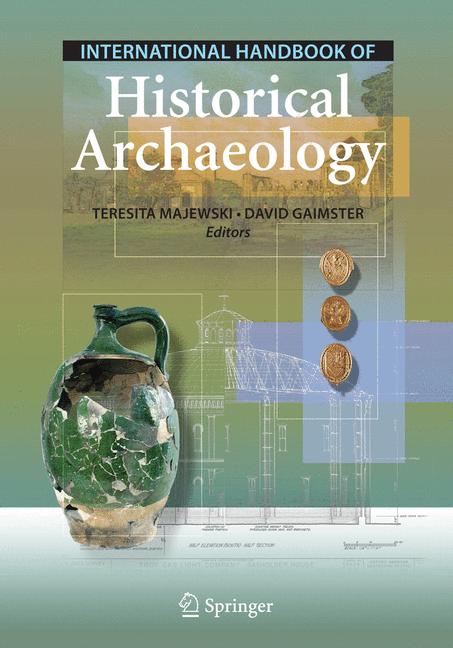 International Handbook Of Historical Archaeology
106,99€
International Handbook Of Historical Archaeology
106,99€
 Historical Archaeology Of Gendered Lives
106,99€
Historical Archaeology Of Gendered Lives
106,99€