Springer Nature
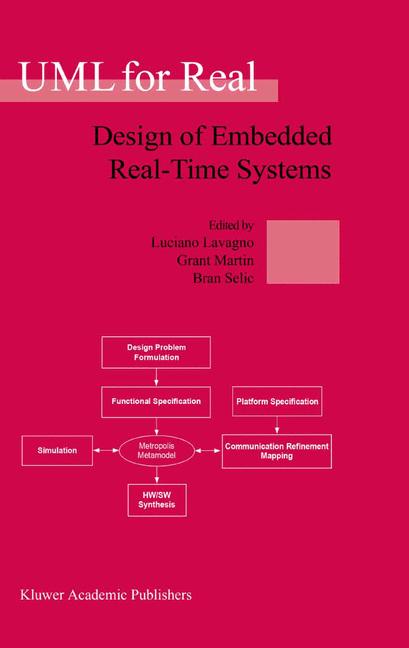
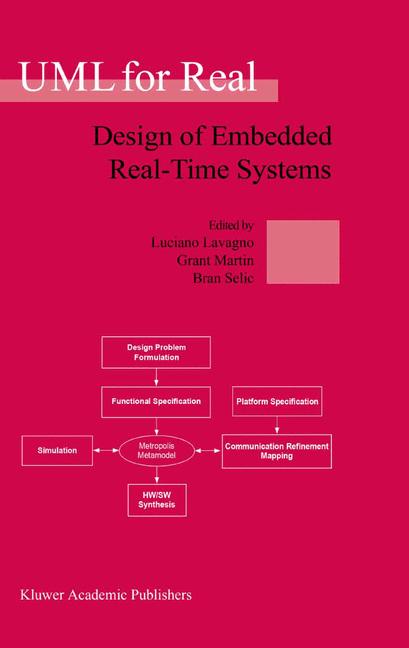
Uml For Real
Miglior prezzo disponibile
169,99$
Springer Nature · Spedizione gratuita
VISAPayPal
Prezzi aggiornati
Specifiche
MarcaSpringer Nature
CondizioneNuovo
Descrizione
The complexity of most real-time and embedded systems often exceeds that of other types of systems since, in addition to the usual spectrum of problems inherent in software, they need to deal with the complexities of the physical world. That worldâas the proverbial Mr. Murphy tells usâis an unpredictable and often unfriendly place. Consequently, there is a very strong motivation to investigate and apply advanced design methods and technologies that could simplify and improve the reliability of real-time software design and implementation. As a result, from the first versions of UML issued in the mid 1990âs, designers of embedded and real-time systems have taken to UML with vigour and enthusiasm. However, the dream of a complete, model-driven design flow from specification through automated, optimised code generation, has been difficult to realise without some key improvements in UML semantics and syntax, specifically targeted to the real-time systems problem. With the enhancements in UML that have been proposed and are near standardisation with UML 2. 0, many of these improvements have been made. In the Spring of 2003, adoption of a formalised UML 2. 0 specification by the members of the Object Management Group (OMG) seems very close. It is therefore very appropriate to review the status of UML as a set of notations for embedded real-time systems - both the state of the art and best practices achieved up to this time with UML of previous generations - and where the changes embodied in the 2.
Storico prezzi
Ricevi una notifica se il prezzo scende
Ti invieremo un'email quando il prezzo di questo prodotto diminuirà.
- Aggiornamenti dei prezzi in tempo reale
- Oltre 50 negozi monitorati
- Avvisi gratuiti di calo prezzo
- Solo negozi verificati
Avvisami quando il prezzo scende sotto: 169,99$
Prodotti simili
Una selezione di prodotti che potrebbero interessarti. Guarda tutti