Springer Nature
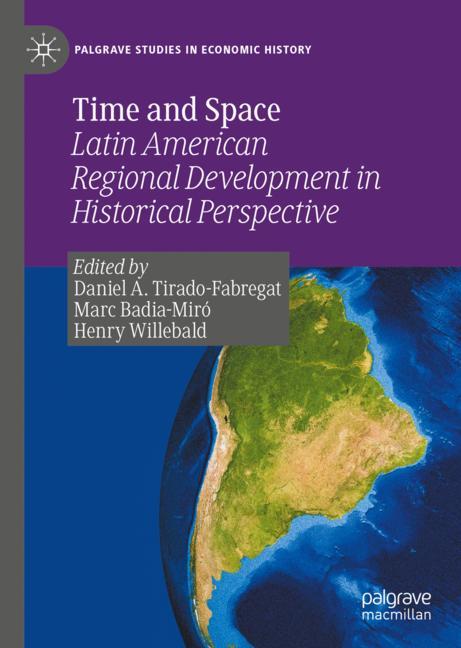
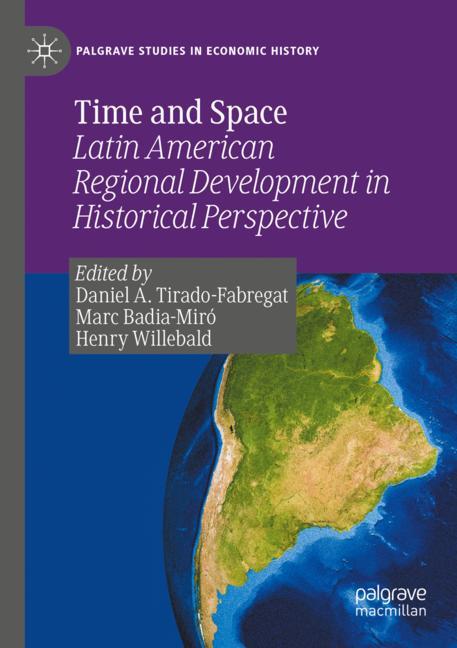
Time And Space
Miglior prezzo disponibile
119,00$
Springer Nature · Spedizione gratuita
VISAPayPal
Prezzi aggiornati
Specifiche
MarcaSpringer Nature
CondizioneNuovo
Descrizione
This edited collection examines the evolution of regional inequality in Latin America in the long run. The authors support the hypothesis that the current regional disparities are principally the result of a long and complex process in which historical, geographical, economic, institutional, and political factors have all worked together. Lessons from the past can aid current debates on regional inequalities, territorial cohesion, and public policies in developing and also developed countries. In contrast with European countries, Latin American economies largely specialized in commodity exports, showed high levels of urbanization and high transports costs (both domestic and international). This new research provides a new perspective on the economic history of Latin American regions and offers new insights on how such forces interact in peripheral countries. In that sense, natural resources, differences in climatic conditions, industrial backwardness and low population density areas leads us to a new set of questions and tentative answers. This book brings together a group of leading American and European economic historians in order to build a new set of data on historical regional GDPs for nine Latin American countries: Argentina, Bolivia, Brazil, Chile, Colombia, Mexico, Peru, Uruguay and Venezuela. This transnational perspective on Latin American economic development process is of interest to researchers, students and policy makers.
Storico prezzi
Ricevi una notifica se il prezzo scende
Ti invieremo un'email quando il prezzo di questo prodotto diminuirà.
- Aggiornamenti dei prezzi in tempo reale
- Oltre 50 negozi monitorati
- Avvisi gratuiti di calo prezzo
- Solo negozi verificati
Avvisami quando il prezzo scende sotto: 119,00$
Prodotti simili
Una selezione di prodotti che potrebbero interessarti. Guarda tutti