Springer Nature
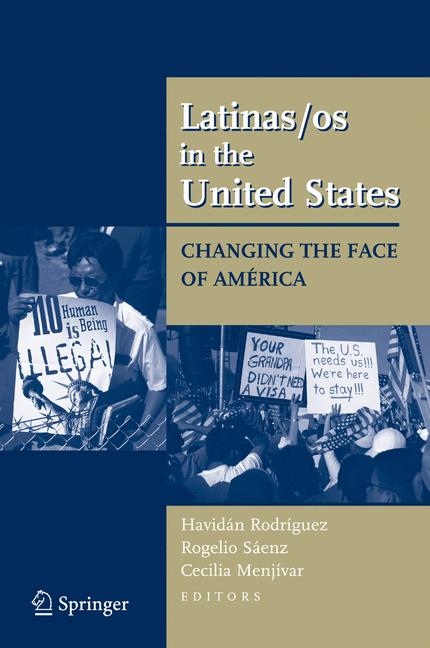
Latinas/Os In The United States
Miglior prezzo disponibile
109,99$
Springer Nature · Spedizione gratuita
VISAPayPal
Prezzi aggiornati
Specifiche
MarcaSpringer Nature
CondizioneNuovo
Descrizione
Clara E. RodrÃguez As is befitting a book on Latinas/os at the start of the 21st century, the chapters in this volume reflect the contemporary panorama of Latinas/os in the United States. Today, Latinas/os are the largest minority group. They accounted for 12. 5% of the total U. S. population in the last decennial census; recent estimates sho wed the Hispanic population to be 41. 3 million as of July 1 1, 2004, or 14% of the nationâs total population. However, this estimate does not include the 3. 9 million residents of Puerto Rico, who are also U. S. citizens and would raise the total to 2 45. 2 million. This would make the U. S. population of Latinos the second-largest Spanish-origin population in the hemisphere, after Mexico. The growth of this population since 1980 has been dramatic. Hispanics/Latinos grew more than seven times faster than the population of the nation as a whole, increasing by half, whereas the white (non-Hispanic) population increased by only 6% between 1980 and 1990 (U. S. Bureau of the Census, 1991, Table 1; U. S. Bureau of the Census, 1993, p. 2). In the 1990s, the Hispanic population increased 58%. Moreover, between 2003 and 2004, one of every two people added to 3 the nationâs population was Hispanic/Latino. Consequently, not only are Latinos a substantial part of the U. S. population, but they account for half its population growth.
Storico prezzi
Ricevi una notifica se il prezzo scende
Ti invieremo un'email quando il prezzo di questo prodotto diminuirà.
- Aggiornamenti dei prezzi in tempo reale
- Oltre 50 negozi monitorati
- Avvisi gratuiti di calo prezzo
- Solo negozi verificati
Avvisami quando il prezzo scende sotto: 109,99$
Prodotti simili
Una selezione di prodotti che potrebbero interessarti. Guarda tutti
 Latinas/Os In The United States
64,99$
Latinas/Os In The United States
64,99$
 Poverty In The United States
84,99$
Poverty In The United States
84,99$
 Entrepreneurship In The United States
109,99$
Entrepreneurship In The United States
109,99$
 Systemic Racism In The United States
119,99$
Systemic Racism In The United States
119,99$
 Indigenous Struggles In The United States
119,00$
Indigenous Struggles In The United States
119,00$
 Iraqi Refugees In The United States
169,99$
Iraqi Refugees In The United States
169,99$
 Cancer Caregiving In The United States
84,99$
Cancer Caregiving In The United States
84,99$
 Preterm Birth In The United States
109,99$
Preterm Birth In The United States
109,99$