Springer Nature

Crime And The Construction Of Forensic Objectivity From 1850
Miglior prezzo disponibile
171,19€
Springer Nature · Spedizione gratuita
VISAPayPal
Prezzi aggiornati
Specifiche
MarcaSpringer Nature
CondizioneNuovo
Descrizione
This book charts the historical development of 'forensic objectivity' through an analysis of the ways in which objective knowledge of crimes, crime scenes, crime materials and criminals is achieved. Taking an interdisciplinary approach, with authors drawn from law, history, sociology and science and technology studies, this work shows how forensic objectivity is constructed through detailed crime history case studies, mainly in relation to murder, set in Scotland, England, Germany, Sweden, USA and Ireland. Starting from the mid-nineteenth century and continuing to the present day, the book argues that a number of developments were crucial. These include: the beginning of crime photography, the use of diagrams and models specially constructed for the courtroom so jurors could be âvirtual witnessesâ, probabilistic models of certainty, the professionalization of medical and scientific expert witnesses and their networks, ways of measuring, recording and developing criminal records and the role of the media, particularly newspapers in reporting on crime, criminals and legal proceedings and their part in the shaping of public opinion on crime. This essential title demonstrates the ways in which forensic objectivity has become a central concept in relation to criminal justice over a period spanning 170 years.
Storico prezzi
Ricevi una notifica se il prezzo scende
Ti invieremo un'email quando il prezzo di questo prodotto diminuirà.
- Aggiornamenti dei prezzi in tempo reale
- Oltre 50 negozi monitorati
- Avvisi gratuiti di calo prezzo
- Solo negozi verificati
Avvisami quando il prezzo scende sotto: 171,19€
Prodotti simili
Una selezione di prodotti che potrebbero interessarti. Guarda tutti
 Crime And The Construction Of Forensic Objectivity From 1850
128,39€
Crime And The Construction Of Forensic Objectivity From 1850
128,39€
 Forensic Genetics In The Governance Of Crime
53,49€
Forensic Genetics In The Governance Of Crime
53,49€
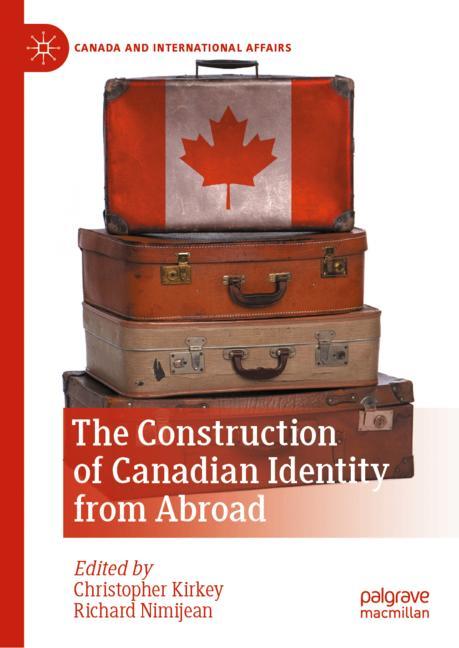 The Construction Of Canadian Identity From Abroad
160,49€
The Construction Of Canadian Identity From Abroad
160,49€
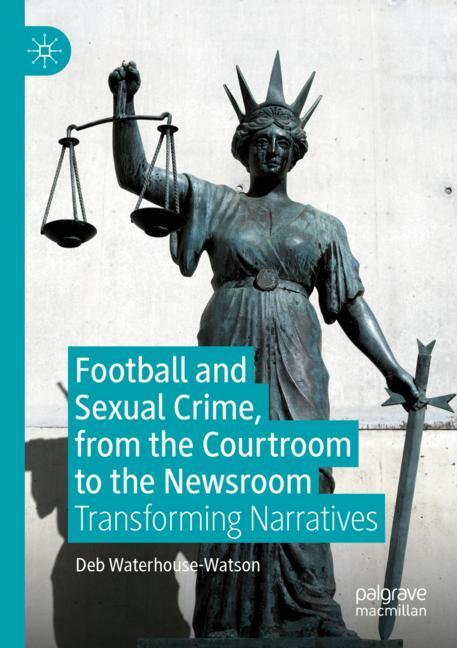 Football And Sexual Crime, From The Courtroom To The Newsroom
53,49€
Football And Sexual Crime, From The Courtroom To The Newsroom
53,49€
 Crime And Victimization Of The Elderly
112,34€
Crime And Victimization Of The Elderly
112,34€
 Crime And The Imaginary Of Disaster
42,79€
Crime And The Imaginary Of Disaster
42,79€
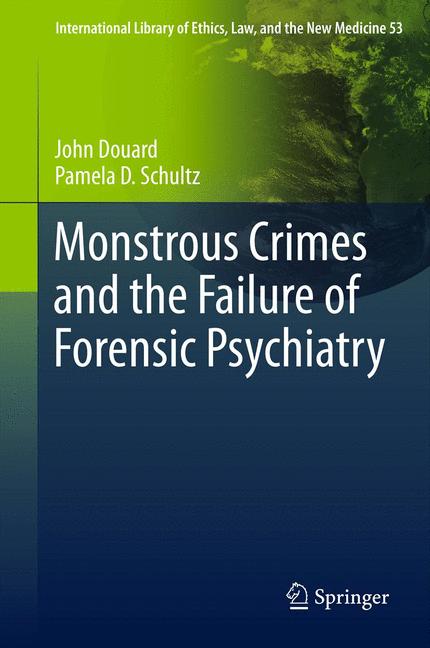 Monstrous Crimes And The Failure Of Forensic Psychiatry
171,19€
Monstrous Crimes And The Failure Of Forensic Psychiatry
171,19€
 The Urban Fabric Of Crime And Fear
160,49€
The Urban Fabric Of Crime And Fear
160,49€