Springer Nature
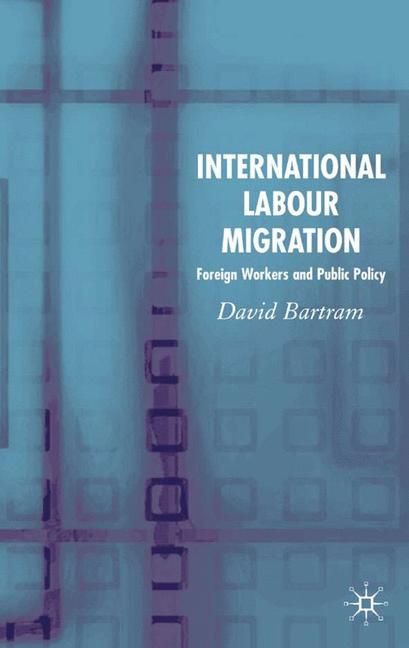
International Labour Migration
Miglior prezzo disponibile
105,49€
Springer Nature · Spedizione gratuita
VISAPayPal
Prezzi aggiornati
Specifiche
MarcaSpringer Nature
CondizioneNuovo
Descrizione
Studies of international labour migration typically assume that foreign labour is a universal feature of wealthy economies. Exploitation of foreign workers can contribute significantly to employers' profits. However, some wealthy societies do not import workers on a large scale, despite employers' pressures. Using Israel and Japan as empirical cases, this comparative-historical work investigates why some governments allow employers relatively free access to foreign labour, while others require alternative responses to labour shortages. A focus on variation leads to an innovative and insightful argument to explain international labour migration.
Storico prezzi
Ricevi una notifica se il prezzo scende
Ti invieremo un'email quando il prezzo di questo prodotto diminuirà.
- Aggiornamenti dei prezzi in tempo reale
- Oltre 50 negozi monitorati
- Avvisi gratuiti di calo prezzo
- Solo negozi verificati
Avvisami quando il prezzo scende sotto: 105,49€