Springer Nature
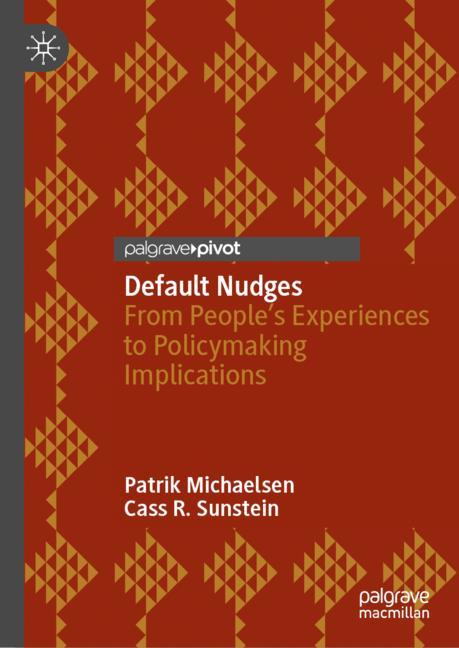
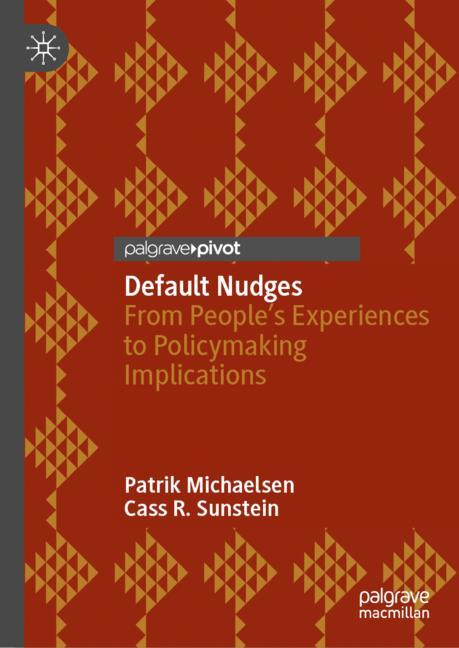
Default Nudges
Miglior prezzo disponibile
54,99$
Springer Nature · Spedizione gratuita
VISAPayPal
Prezzi aggiornati
Specifiche
MarcaSpringer Nature
CondizioneNuovo
Descrizione
All over the world, private and public institutions have been attracted to ânudges,â understood as interventions that preserve freedom of choice, but that steer people in particular directions. The most effective nudges are often âdefaults,â which establish what happens if people do nothing. For example, automatic enrollment in savings plans is a default nudge, as is automatic enrollment in green energy. Default rules are in widespread use, but we have very little information about how people experience them, whether they see themselves as manipulated by them, and whether they approve of them in practice. In this book, Patrik Michaelsen and Cass R. Sunstein offer a wealth of new evidence about peopleâs experiences and perceptions with respect to default rules. They argue that this evidence can help us to answer important questions about the effectiveness and ethics of nudging. The evidence offers a generally positive picture of how default nudges are perceived and experienced. The central conclusion is simple: empirical findings strongly support the conclusion that, taken as such, default nudges are both ethical and effective. These findings, and the accompanying discussion, have significant implications for policymakers in many nations, and also for the private sector.
Storico prezzi
Ricevi una notifica se il prezzo scende
Ti invieremo un'email quando il prezzo di questo prodotto diminuirà.
- Aggiornamenti dei prezzi in tempo reale
- Oltre 50 negozi monitorati
- Avvisi gratuiti di calo prezzo
- Solo negozi verificati
Avvisami quando il prezzo scende sotto: 54,99$
Prodotti simili
Una selezione di prodotti che potrebbero interessarti. Guarda tutti